
Overview
Eating out in Spain
Eating out in Spain follows its own clock: coffee and tostada mid-morning, lunch from around 14:00, dinner after 21:00, and tapas in between. The weekday menú del día — starter, main, dessert, bread and a drink at a fixed price — is a lunch institution.
Spain also receives tens of millions of foreign visitors a year, so menus in tourist areas have to work in several languages. Terraces, raciones and changing daily menus make printed multilingual cards expensive to keep current.
Dining culture
Dining habits in Spain that shape the menu
A late timetable
Lunch around 14:00 and dinner after 21:00 mean two very different services. A lunch catalog with the menú del día and an evening catalog with raciones keep both clear.
Tapas and raciones
Many bars list the same dish as a tapa, a half ración and a full ración. Size variants in ListoQ show each portion with its own price.
Terrace season
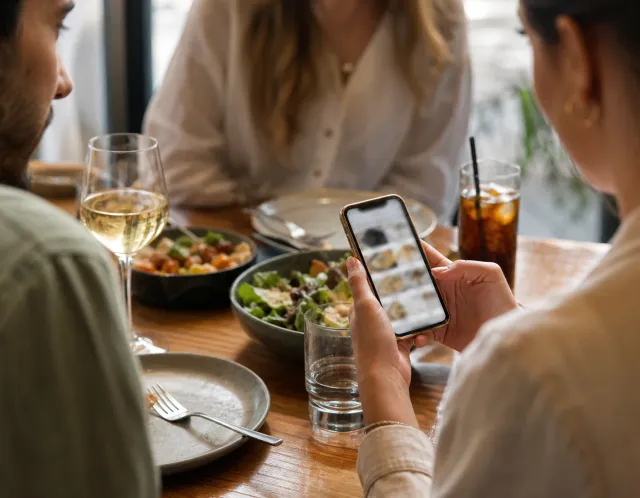
Terraces fill from spring to autumn and are hard to serve with paper menus in the wind. A QR card on each table solves both.
Menu rules
What a menu in Spain has to show
Real Decreto 126/2015 applies the EU list of 14 allergens to food sold unpackaged. Venues must make allergen information available before guests order and show clearly where to get it. Regional guidance differs on how far verbal information is accepted, so listing allergens per dish in writing is the safest way to comply.
Menu prices must be final prices including VAT, and supplements such as bread or terrace service should be stated on the menu. Several regions also require a notice informing guests that complaint forms (hojas de reclamaciones) are available.
Check the current rules
This is a practical summary, not legal advice. Rules change, so confirm the details with your local food safety authority before you publish.
Languages
Which menu languages to publish in Spain
Spanish comes first, and in Catalonia, Valencia, Galicia or the Basque Country many venues also use the regional language in dish names. For visitors, English, French, German and Italian cover the largest groups, and Dutch is worth adding on the Costa del Sol and the Costa Blanca.
Suggested order of menu languages
- 1
 Español
- 2
 English
- 3
 Français
- 4
 Deutsch
- 5
 Italiano
How languages work in ListoQ
Each menu has a default language plus any extra languages you add. You translate item names and descriptions per language; allergen labels and dietary tags come from built-in lists and appear translated automatically. Guests switch language on the menu page itself.
Cities
City guides in Spain
With ListoQ
How ListoQ runs your QR menu in Spain
One QR code that never needs reprinting
ListoQ gives each venue a permanent QR code and link. Change a price or a dish of the day and guests in Spain see it the moment you publish.
The 14 EU allergens on every dish
Tag allergens and vegetarian or vegan options per item in ListoQ, so the information guests ask about is on the menu instead of in a folder behind the bar.
Import the menu you already have
AI import in ListoQ reads a PDF, Excel, Word file or photo into a draft. You review it, add your languages and publish when it is ready.
FAQ
Questions from venues in Spain
- Can I publish the menú del día on a QR menu?
- Yes. Keep it as its own category or catalog and update the dishes daily. The QR code on the table stays the same.
- Can a dish have tapa and ración prices?
- Yes. ListoQ supports size variants, so a dish can show tapa, half ración and ración, each with its own price.
- Can I publish Catalan or Basque?
- Not as separate menu languages yet. ListoQ menus support 10 languages, including Spanish, English, French, German, Italian and Portuguese.
- Does a QR menu meet allergen rules in Spain?
- A menu that shows the 14 allergens per dish makes the information available in writing. Keep a printed copy for guests without a phone.
More locations
